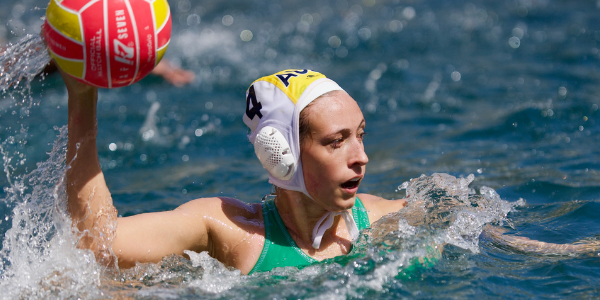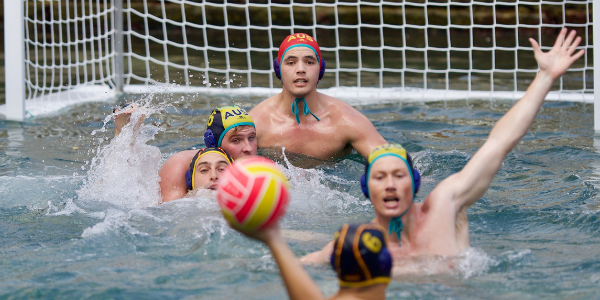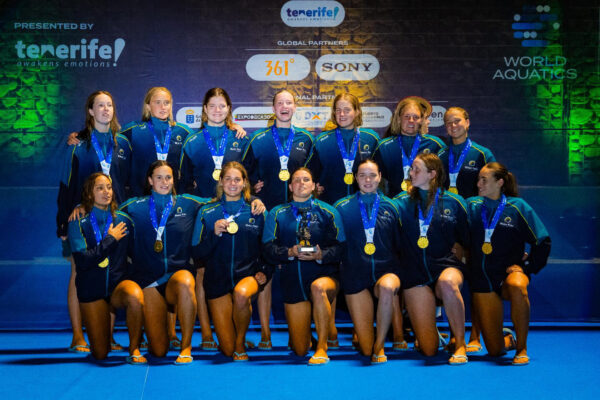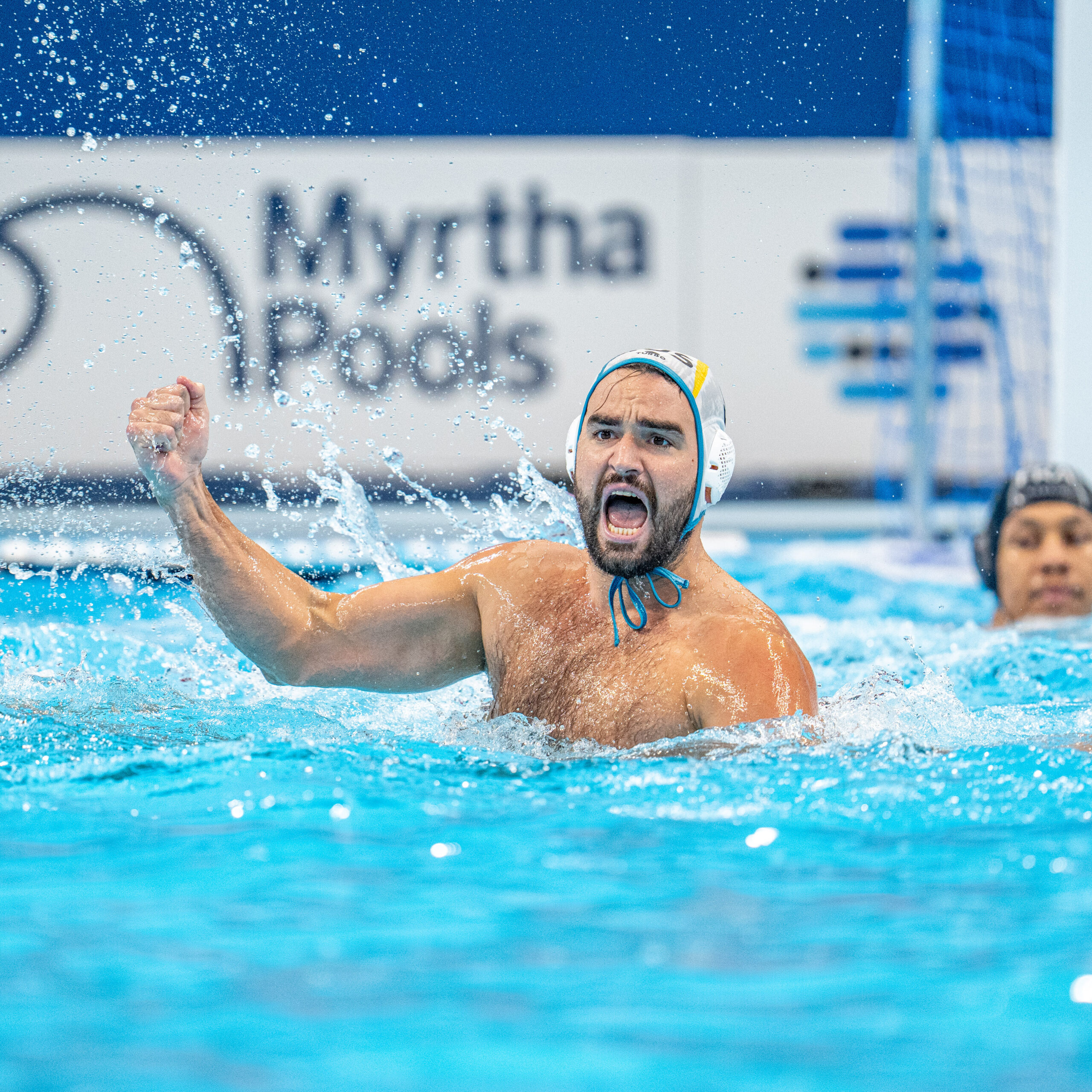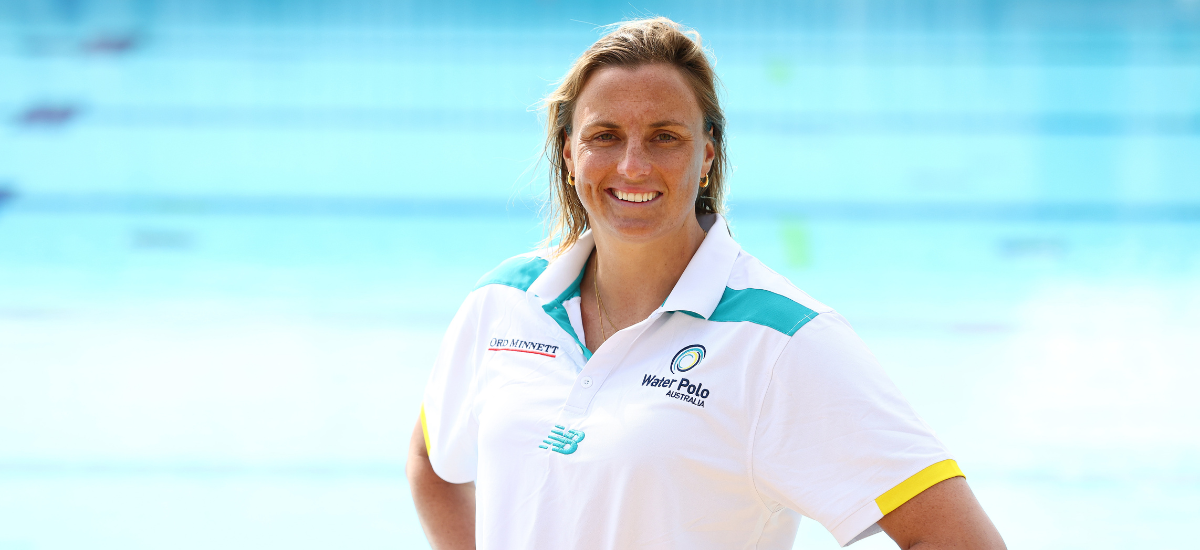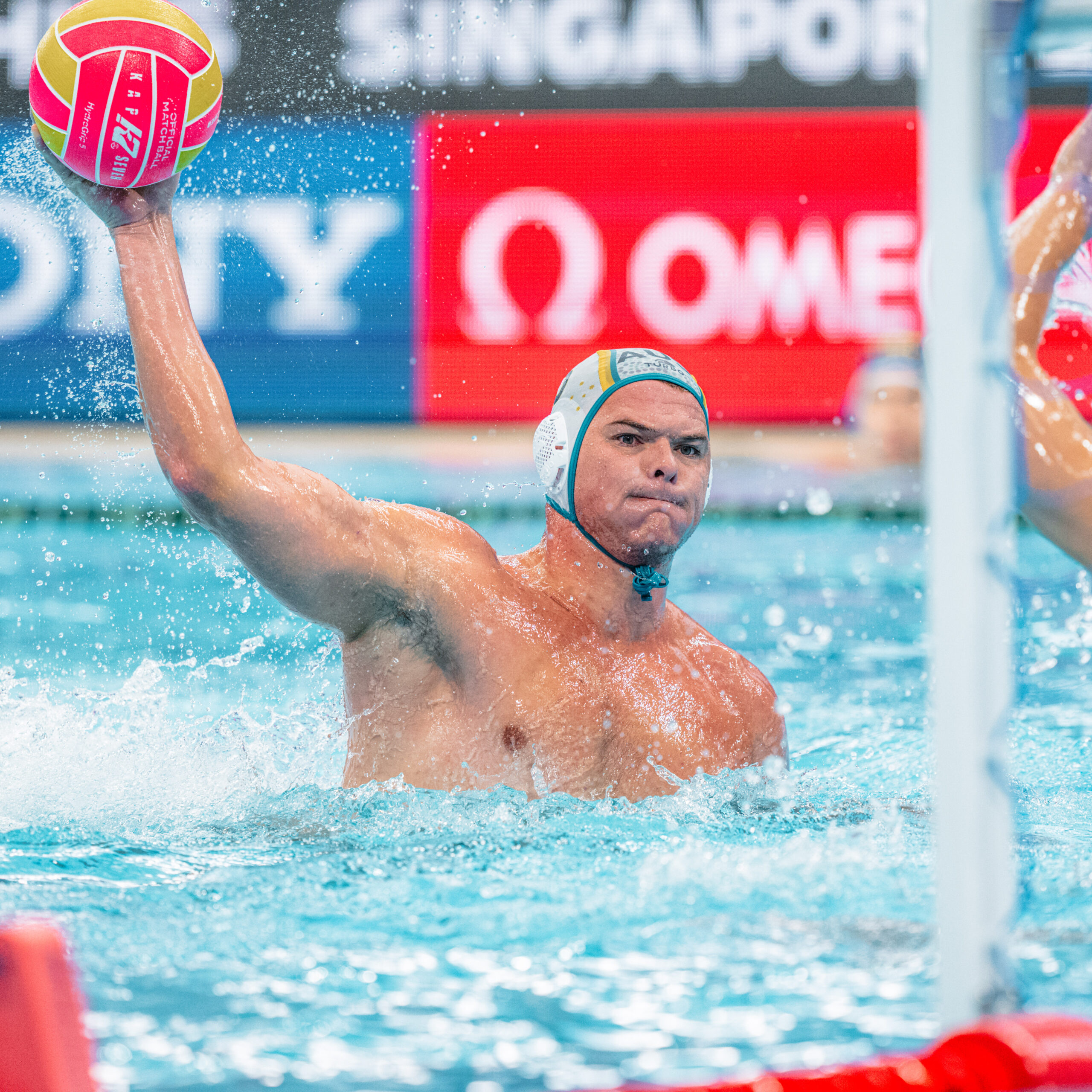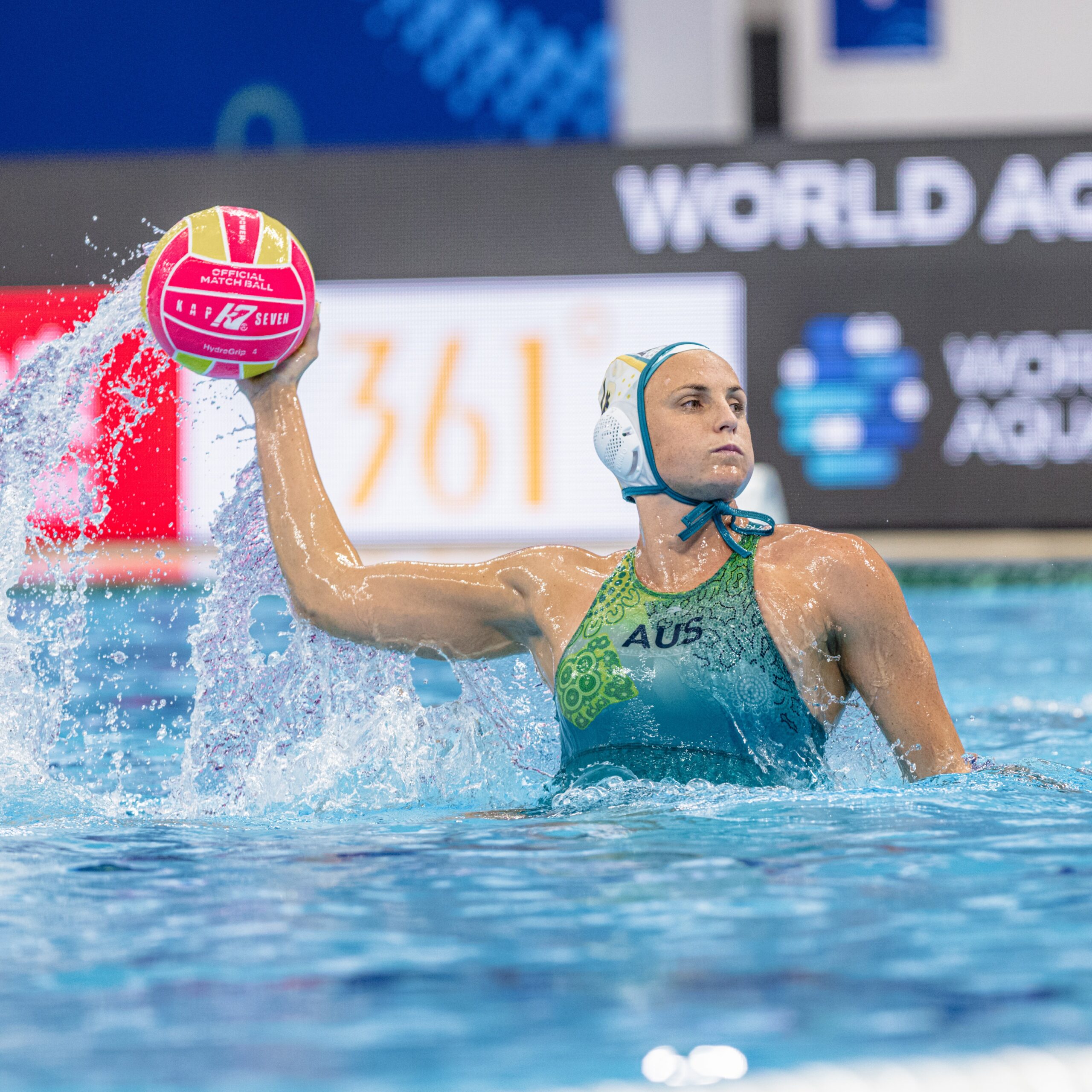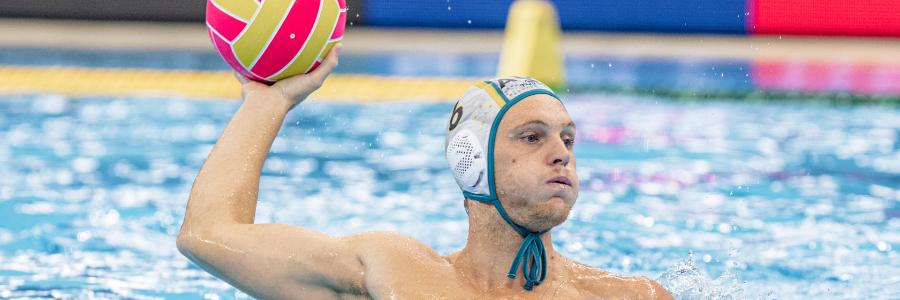
There’s a version of Tim Putt’s story that sounds impossibly busy from a final-year Science and Business student at UNSW to competitive water polo player at the highest level, as a member of the Ord Minnett Aussie Sharks squad preparing for a World Cup Finals on home soil.
But speak to the 27-year-old from Perth and what comes through isn’t exhaustion – it’s perspective.
“Don’t put too much pressure on yourself… find something you enjoy doing. I tried three or four degrees until I found the right one for me,” Putt reflected, as we caught up with him as part of National Careers Week.
That degree, a combined Science and Business at UNSW majoring in Earth Science, now feels like the right fit for where Tim wants to take his post-sport career.
With an eye on environmental policy or environmental science in an office-based role, Tim has already taken his first steps into the professional world, applying for graduate roles with Deloitte and BHP.
His academic journey hasn’t been linear, experimenting with different fields of study took time before landing on Earth Science… but it gave him something more valuable than a straight-line trajectory – clarity about what genuinely excites him.
The environmental space, he says, offers a career that aligns with both his scientific interests and a realistic understanding of what life as an elite athlete demands. Policy and environmental science work can be office-based, analytical and structured is exactly the kind of role that could sit alongside the training commitments of an international water polo career, and evolve with him once that chapter closes.
Balancing study and elite sport is rarely straightforward, but Tim is quick to credit the support system that helped make it work. UNSW’s Elite Athlete Program, in particular Helen Bryson and her team, has been a cornerstone of his university experience.
“I couldn’t speak more highly of Helen and her team at UNSW,” he says. “The support has been incredible.”
The program gives elite athletes the ability to select subjects and class times ahead of other students, and provides flexibility around assessments, assignments and exams to accommodate travel and tournament schedules – a lifeline when a World Championship or qualifying tournament lands right in the middle of semester.
Tim also acknowledges the role of UNSW’s scholarship program in making his studies viable alongside the financial realities of being a full-time athlete.
Tim is candid that the first few years of juggling study and sport were a genuine struggle, and that it took time to find a rhythm that worked. He reflected on the lessons he’s learnt along the way.
“When you’re in Sydney, physically attend university and complete the assigned work immediately, it can quickly pile up.”
“When on tour, where two to three hours between training sessions are often available, use that time deliberately to stay on top of university requirements, rather than letting it slide until you’re back home with a mountain of catch-up.
But above all else, the most important thing he learned was the value of communication.
“The best piece of advice I received was to communicate. No one can help you if people don’t know what is going on.”
Tim made his Olympic debut at the delayed Tokyo 2020 Games, part of the Ord Minnett Aussie Sharks squad that navigated a brutally competitive group stage against Croatia, Spain and eventual gold medallists Serbia. One moment from that tournament has stayed with him.
“My most memorable moment at the Tokyo Olympic Games was when we beat Croatia 11-8 and I scored a goal that contributed to the winning margin.
“It taught me that anything can happen at the Olympic Games.”
It’s a philosophy that sits easily alongside his approach to everything else – stay present, do the work, and back yourself when the moment comes.
With the Water Polo World Cup Finals heading to Sydney in July, Tim is looking forward to an experience he’s never had before – competing at the highest level in front of a home crowd.
“It’s so exciting to play in a World Cup final in front of our home crowd against the best in the world – something I have never experienced before,” he says.
For someone who has played international water polo across Europe, Asia and the Americas, the prospect of hearing Australian voices in the stands carries its own particular charge.
It’s also, perhaps, a fitting backdrop for a player who is navigating two enormous things at once: the peak of an elite sporting career, and the beginning of a professional life that could shape the next several decades. Tim Putt is doing both – one session, one subject, one game at a time.